1. Overview of the Laundry Industry in Metro Cities
1.1 Current Market Trends
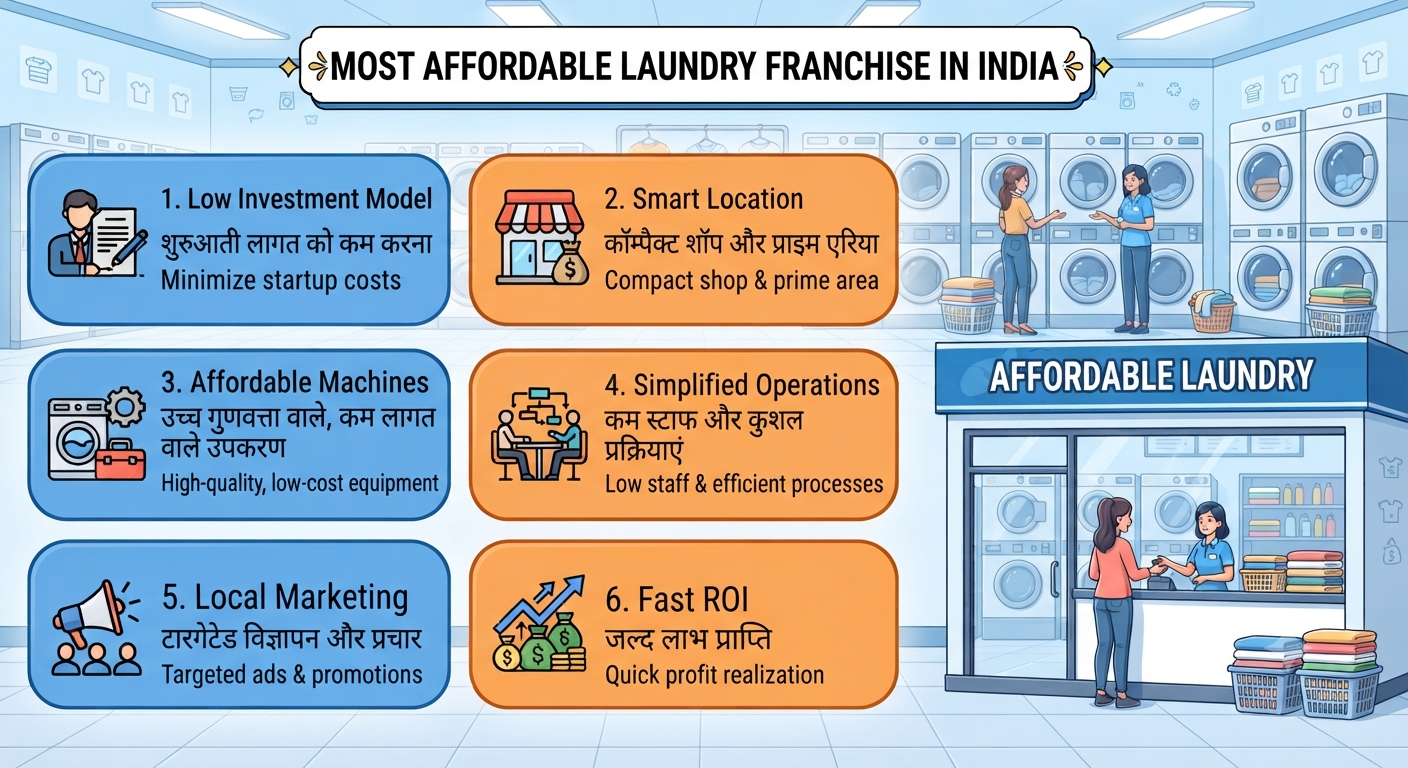
The laundry industry in metro cities is booming like never before. With urban lifestyles becoming busier, many residents find themselves seeking convenient laundry solutions. Here are some key trends driving this growth:
- Increased Demand: The demand for laundry services has surged, particularly in densely populated metro areas where time is precious. People often prefer outsourcing laundry tasks to focus on work, family, or leisure activities.
- Customer Preferences: Today's customers are looking for more than just a place to wash clothes. They prefer services that offer flexibility—extended hours, convenient locations, and various wash options tailored to their needs.
- Lifestyle Changes: With more people working remotely and a rise in apartment living, many residents have space for traditional washers and dryers, making laundry services an appealing alternative.
1.2 Types of Laundry Services Offered
Metro laundry businesses cater to diverse customer needs by offering various services:
- Self-Service vs. Full-Service: Self-service laundromats allow customers to do their own laundry, perfect for those who enjoy a hands-on approach. In contrast, full-service options provide convenience, where staff handle everything from washing to folding.
- Special Services: Many laundry businesses now offer dry cleaning, ironing, and even specialized care for delicate fabrics to meet unique customer demands.
- Eco-Friendly Initiatives: A growing number of laundries are adopting eco-friendly practices, such as using biodegradable detergents and energy-efficient machines, appealing to environmentally-conscious consumers.
1.3 Key Players and Competition
In the competitive landscape of metro laundry businesses:
- Major Providers:Large chains like Tide Cleaners and Laundromat franchises dominate the market in many cities but often face stiff competition from local players.
- Local Laundromats: These establishments can provide personalized service and often have loyal customer bases, allowing them to thrive despite the presence of larger chains.
- Competitive Strategies: Successful laundromats often differentiate themselves through unique offerings, such as 24-hour service or loyalty programs, ensuring they stand out in a crowded market.
2. Setting Up a Laundry Business: Steps and Considerations
2.1 Market Research and Feasibility Study
Before diving into the laundry business, thorough market research is essential:
- Understanding Demographics:Identifying your target demographic will help you tailor your services to meet their specific needs, whether they are college students, busy professionals, or families.
- Competition Analysis:Research existing laundry services in your area to understand what they offer and where there might be gaps you can fill.
- Profit Margins: It's important to calculate potential profit margins based on your pricing strategy compared to the competition—this can significantly affect your business's sustainability.
2.2 Location and Infrastructure
Finding the right spot for your laundry business is crucial:
- Strategic Location:A location near high-density housing or commercial areas increases visibility and accessibility, attracting more customers.
- Layout Considerations: Designing the space for efficiency can enhance the customer experience. Adequate space for customers to move around comfortably is important.
- Modern Equipment: Investing in reliable laundry machines and technology will streamline operations and improve service quality.
2.3 Legal and Regulatory Requirements
Starting a laundry business also involves navigating legalities:
- Licenses and Permits:Ensuring you have the necessary licenses to operate legally is a must. This often includes business permits and health licenses.
- Health and Safety Compliance: : Maintaining cleanliness and ensuring the safety of your employees and customers must be prioritized to avoid issues with local regulations.
- Labor Laws: Understanding employee rights and labor laws will help you create a fair workplace and can protect your business in the long run.
3. Marketing Strategies for Laundromats
3.1 Brand Development and Identity
Creating a memorable brand can set you apart from the competition:
- Recognizable Branding: Choose a catchy name and logo that reflect your business ethos and appeal to your target customers.
- Online Presence:Establishing a user-friendly website and active social media profiles can help you connect with customers and promote your services effectively.
3.2 Digital Marketing Techniques
Leveraging digital marketing can amplify your reach:
- Social Media : Platforms like Instagram and Facebook are excellent for showcasing your services, sharing customer testimonials, and engaging with your community.
- SEO and Online Ads:Implementing search engine optimization strategies and online advertising can help potential customers find you when they need laundry services most.
- Email Marketing:Email newsletters can keep your customers informed about promotions and updates, encouraging them to return.
3.3 Community Engagement and Local Partnerships
Building ties with the community can fortify your business:
- Collaborations: : Partnering with local businesses for cross-promotions can expand your customer base—think coffee shops or gyms offering discounts to your customers.
- Events and Workshops: Hosting community events can draw local traffic and create awareness about your services.
- Loyalty Programs:Establishing a rewards program for repeat customers can foster loyalty and encourage more frequent visits.
4. Operational Challenges in the Laundry Business
4.1 Staffing and Training
Finding the right workforce is crucial for your operations:
- Qualified Staff: Recruiting individuals who can manage your laundry efficiently is key. Look for those who have some experience in the industry.
- Training Programs:Investing time in training not only ensures quality service but also helps new employees feel comfortable in their roles.
- Retention Strategies:Happy employees lead to satisfied customers. Fostering a supportive workplace can help keep your staff around longer.
4.2 Maintenance and Upkeep of Equipment
Maintenance can be the difference between smooth operations and constant headaches:
- Regular Maintenance:Setting up a routine for checking and servicing machines can prolong their lifespan and reduce costly repairs.
- Troubleshooting: Learning to identify common equipment issues will help you address problems before they escalate.
- Budgeting:Planning ahead for potential repairs and upgrades is essential for financial health.
4.3 Managing Customer Service and Satisfaction
Exceptional customer service creates loyal customers:
- Handling Complaints:: Develop a clear strategy for addressing customer complaints and feedback—it shows that you care about their experience.
- Building Loyalty: Providing stellar service encourages customers to return. A friendly approach can make all the difference.
- Gathering Insights: Regular surveys can provide valuable insights into what customers love—or what could be improved.
5. Future Trends in the Laundry Industry
5.1 Technology Adoption and Innovation
Keeping up with tech advancements is vital:
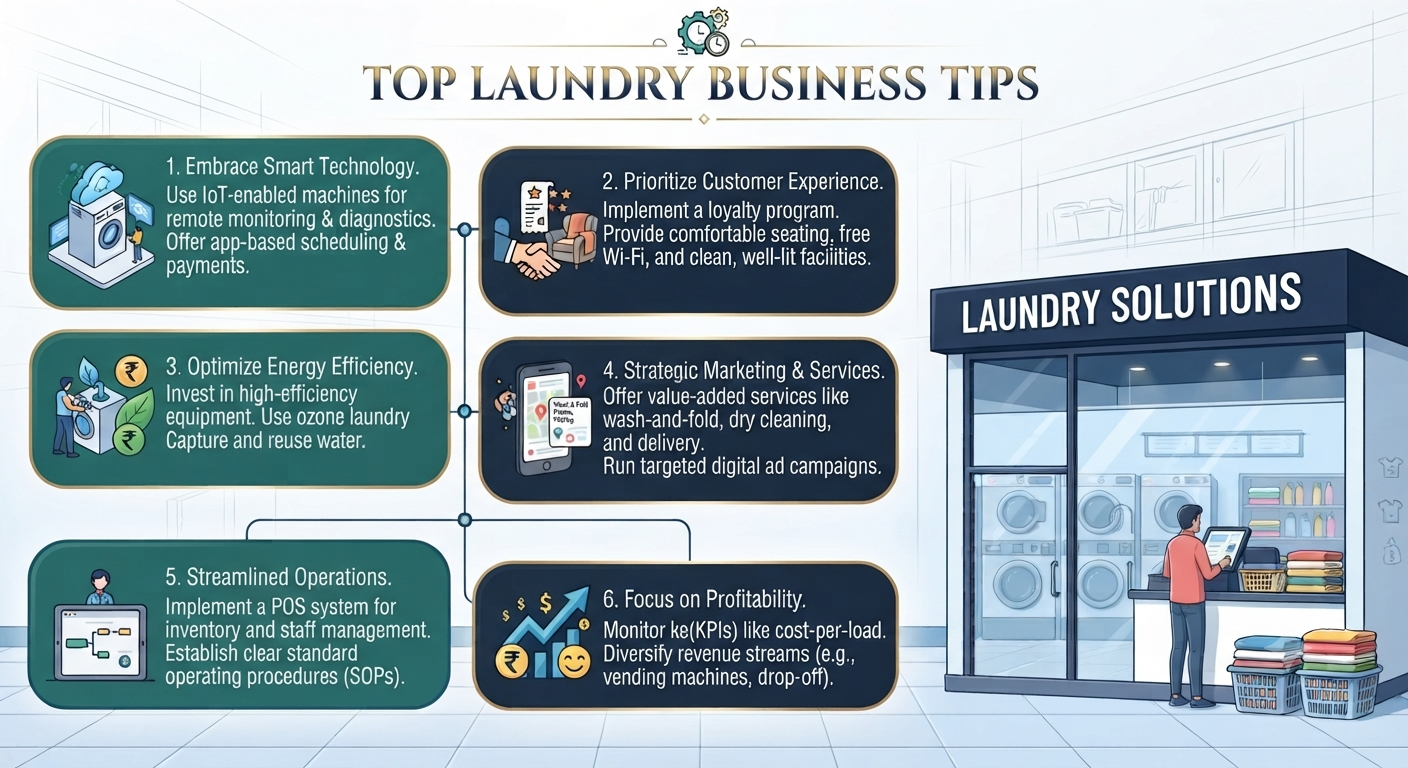
- Automated Systems: Smart machines and automated systems can streamline operations and enhance customer convenience.
- Mobile Apps:Developing a mobile app can provide customers with a seamless way to schedule pickups or track their laundry, making your service more appealing.
- Eco-Friendly Innovations:Stay ahead of the curve by adopting new eco-friendly detergents and cleaning methods that appeal to environmental concerns.
5.2 Sustainability and Environmental Concerns
Commitment to sustainability can resonate with customers:
- Resource Efficiency: Implementing practices that reduce water and energy consumption helps not only the environment but can also reduce operational costs.
- Biodegradable Products:Offering biodegradable and sustainable laundry products attracts eco-conscious customers.
- Engaging Initiatives:Involving customers in your sustainability efforts can create a sense of community and boost your brand’s image.
5.3 Expansion Opportunities and Market Diversification
Exploring diversification can lead to growth:
- Niche Markets:Identifying and targeting niche markets, like commercial laundry services for small businesses, might provide new revenue streams.
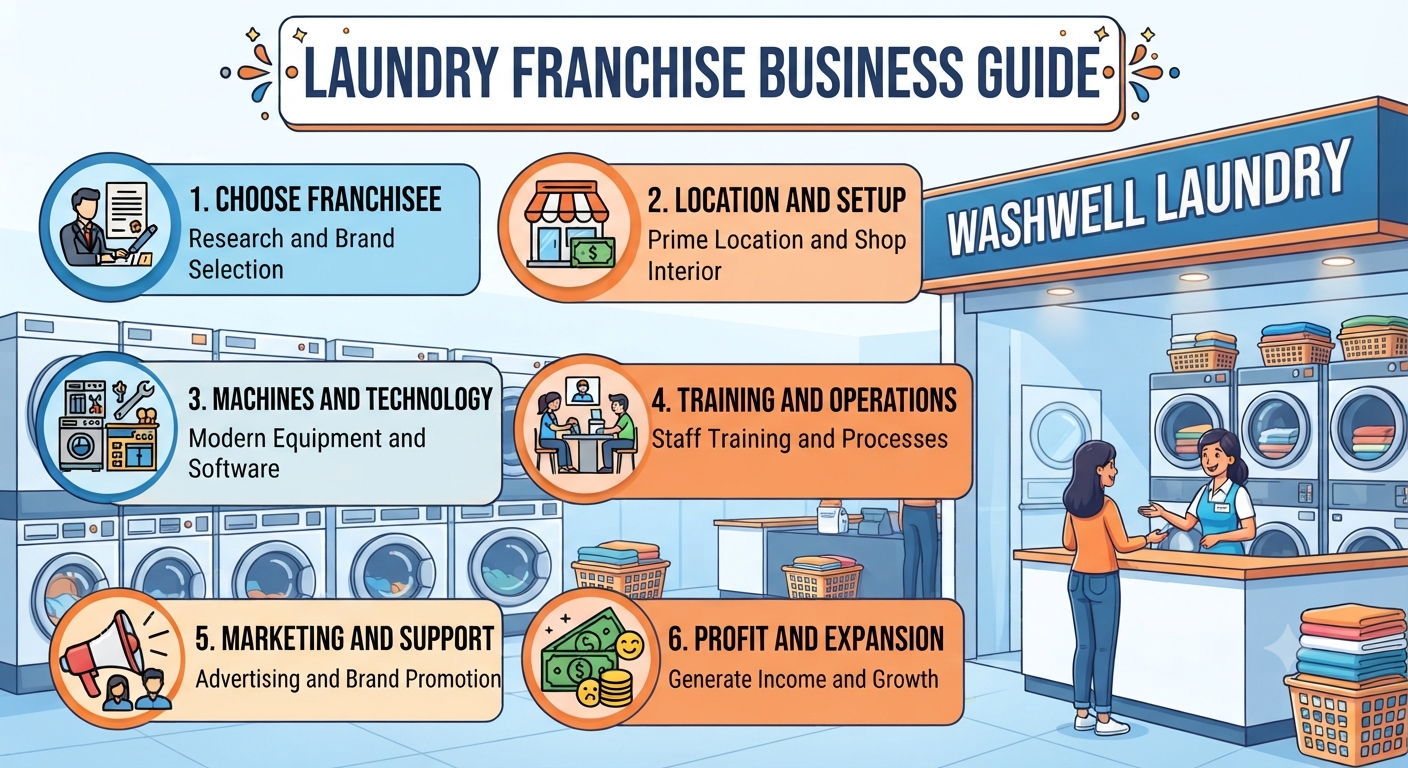
- Franchise Opportunities:Should growth be a goal, franchise options can offer a template for success in new locations.
- Complementary Services: Expanding into delivery services or home cleaning can enhance your business offering and convenience.
Conclusion
The laundry industry in metro cities is evolving rapidly, offering numerous opportunities for entrepreneurs willing to adapt to customer needs and market trends. By understanding the landscape—from current trends to operational challenges—and utilizing effective marketing strategies, aspiring laundry business owners can carve out their niche in this growing market.
Whether you're a seasoned entrepreneur or someone just starting, there's always room to make your mark in this industry. Keep your eyes open for the trends and be ready to innovate!
FAQs
1. What are the initial costs of starting a laundry business?
Ans -The initial costs can vary widely depending on location, equipment purchase or leasing, and the type of laundry service you plan to offer
2. How can I make my laundry business stand out from the competition?
Ans -Focusing on exceptional customer service, offering unique services, and engaging with the community can help differentiate your business.
3. What legal requirements should I be aware of when starting my business?
Ans -It’s important to research and comply with local business licenses, health regulations, and labor laws.
4. How do I manage operating costs effectively?
Ans -Regularly reviewing expenses, investing in energy-efficient equipment, and training staff to work efficiently can help in managing costs.
5. What are the common challenges faced by laundry businesses in urban areas?
Ans -Common challenges include high competition, rising operational costs, maintaining equipment, and ensuring customer satisfaction